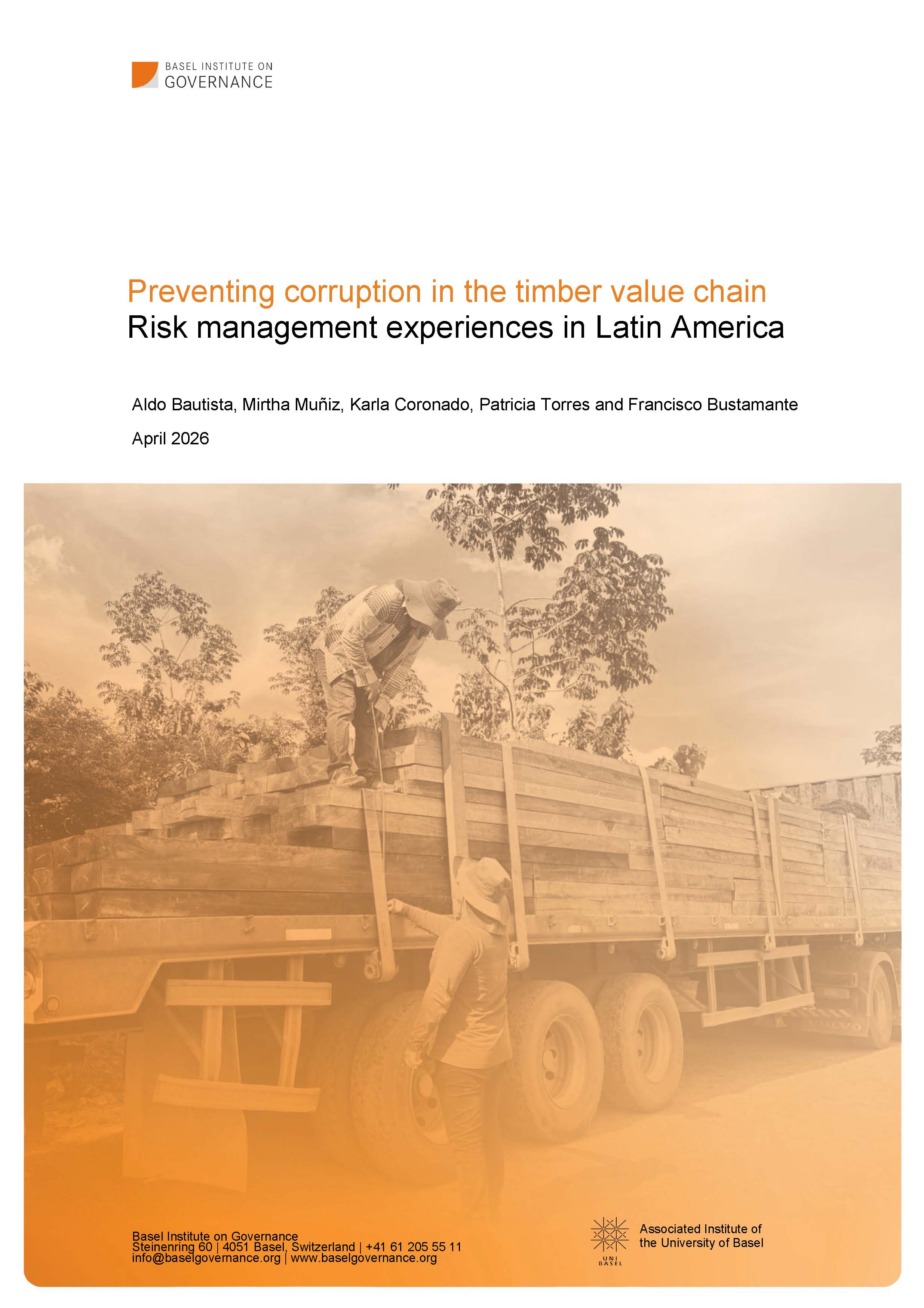
Preventing corruption in the timber value chain: Risk management experiences in Latin America
Corruption in the timber value chain is a major challenge for environmental sustainability and governance in Latin America.
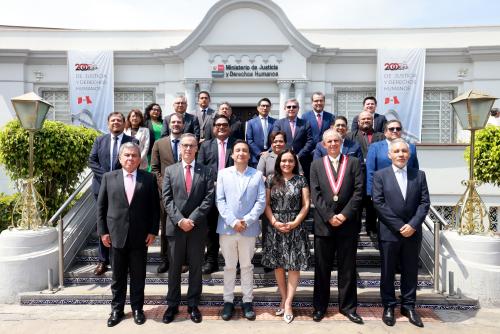
This report presents the application of a corruption risk management approach by environmental authorities in Bolivia, Ecuador and Peru, implemented through technical assistance from the Basel Institute on Governance’s Green Corruption programme.
Download the report here
Key corruption risks
The report describes the main corruption risks identified in collaboration with five environmental authorities responsible for integrity in the timber value chain, covering:
- The granting of forestry rights
- The issuance and use of timber transport waybills
- The control and supervision of authorised actors.
The main corruption risks identified involve:
- Improper agreements between public servants and third parties
- Abuse of authority
- Undue influence or pressure from superiors
Mitigation measures
Planned mitigation measures fall into four main categories:
- Regulatory improvements, including updating procedures, closing implementation gaps and improving efficiency
- Strengthened supervision, such as file tracking systems and alerts to reduce discretion
- Enhanced communication, including multicultural approaches for Indigenous and rural communities
- Cross-cutting measures to promote integrity such as awareness-raising, ethical reflection and training
Given common patterns across natural resource sectors, these measures may be relevant for other environmental agencies, though they should be adapted to local contexts.
Lessons learned
The experiences in Bolivia, Ecuador and Peru highlight the importance of tailoring risk management approaches to national contexts, ensuring institutional leadership and fostering inter-institutional collaboration. They also underline the value of peer learning and cross-border exchange.
Links and other languages