Q&A: Why safeguarding is mission-critical to our anti-corruption work
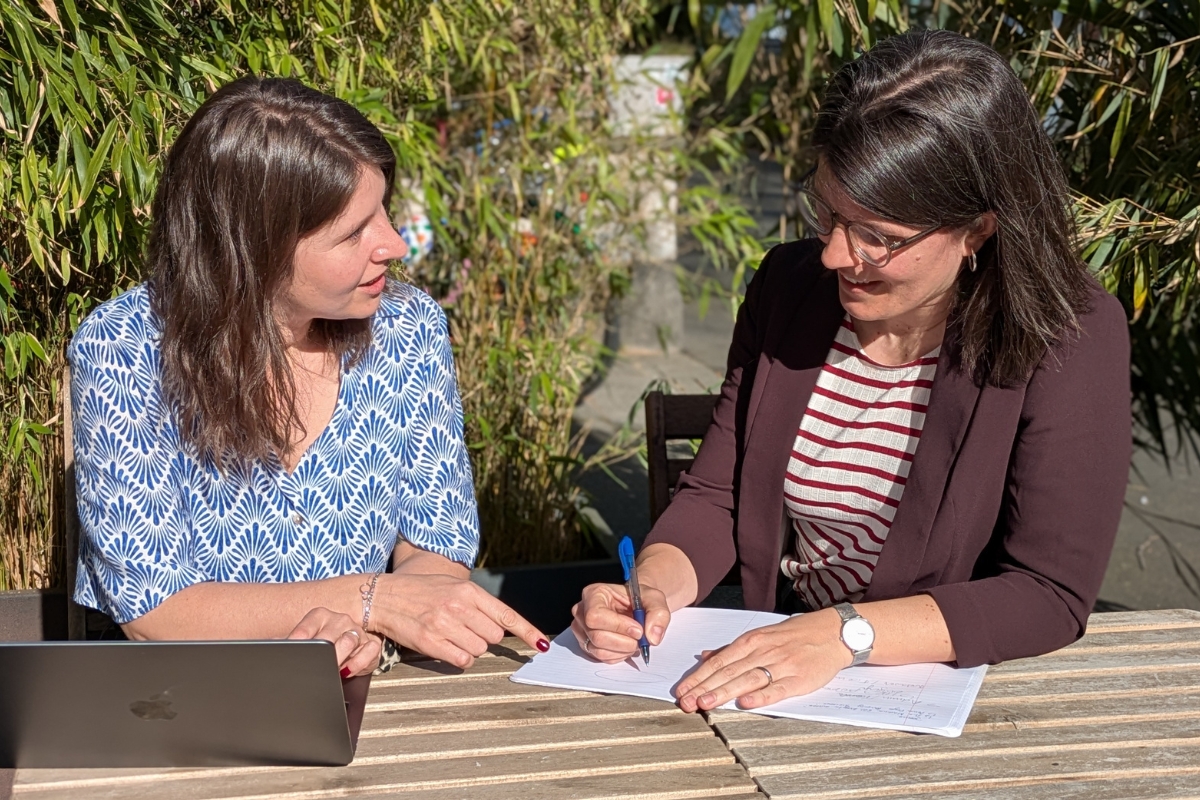
Teresa Paonessa talks with Anna Peyre about what "safeguarding" means in practice and why it is fundamental to credible, trusted and effective anti-corruption work. Teresa is Team Lead for Human Resources and the Basel Institute’s Safeguarding Officer; Anna Peyre is Human Resources Specialist and is helping to advance efforts around gender, equality, diversity and inclusion at the Institute.
Anna Peyre: Safeguarding is often seen as a compliance exercise – so why do we treat it as mission-critical?
Teresa Paonessa: Safeguarding means ensuring that no one is harmed through our work. This includes preventing abuse, harassment, sexual exploitation, discrimination or neglect of staff, partners, beneficiaries and host communities. More broadly, it is about addressing any abuse of power, the exploitation of vulnerability and otherwise unsafe or hostile environments.
For me, safeguarding is more than following rules. In anti-corruption work, trust is essential. People must feel safe sharing information with us. If they don’t, our credibility and impact are at risk. We often operate in sensitive environments and hold significant influence through our expertise, so safeguarding is crucial to ensure this influence is used responsibly.
By creating a safe, ethical environment, we build the trust that makes our work effective and meaningful.
When does anti-corruption work itself create safeguarding risks?
Teresa Paonessa: Our work involves close interaction with people across countries. We provide training, mentoring and advisory support – activities that can create situations of power imbalance. For example, training participants may feel dependent on our expertise and may hesitate to speak up. Travel and fieldwork can also involve less structured environments where boundaries are unclear.
Given our globally dispersed teams, we need to stay aware of these dynamics. Safeguarding means recognising risks early and taking steps to reduce them, even in routine situations.
What does safeguarding look like on a "normal" day in our work?
Teresa Paonessa: It’s reflected in small, consistent actions: in the way we communicate, work with and treat one another, and in our awareness of our role, influence and responsibilities.
In practice, this means creating a respectful, open atmosphere in meetings and trainings where everyone feels able to contribute. It’s about being attentive to colleagues’ or participants’ responses, noticing changes in behaviour and checking in if something feels off.
Safeguarding also involves ensuring that concerns – no matter how small – can be raised openly and without fear of judgement or retaliation.
Ultimately, safeguarding is about building trust over time. Consistent, respectful behaviour creates an environment where people feel safe and confident they will receive support if needed.
How do safeguarding standards translate across different cultural and legal contexts?
Teresa Paonessa: We work in many different countries and are aware that cultural norms and working practices vary. However, respect, safety and appropriate behaviour apply everywhere, regardless of cultural or legal differences and local context.
We communicate these standards clearly, with sensitivity to local environments to ensure they are understood and taken seriously.
Can you share an example of how safeguarding has made a real difference – and what a "safe" organisation feels like in practice?
Teresa Paonessa: A moment that stayed with me was after the conclusion of a safeguarding case. The reporting person told me they felt heard and valued throughout the investigation. I couldn’t ask for better feedback. It shows that the way we handle concerns really matters.
In my view, a psychologically safe organisation is one where concerns are raised openly and regularly. Raising an issue shouldn’t feel intimidating. My role is not to reduce the number of reports but to lower the barriers so people feel free to come forward and confident their concerns will be handled with care, fairness and respect.
What does meaningful safeguarding implementation require in practice?
Teresa Paonessa: Meaningful safeguarding is an ongoing commitment. It requires constant visibility: people must hear about it, see it and experience it regularly.
It starts at the top. Leadership must demonstrate that safeguarding is a genuine priority, not a tick-box exercise. Ultimately, all staff need to understand what safeguarding means for their role, and what to do if an incident arises. This is why regular training and open communication are essential.
Furthermore, trusted reporting channels are critical to ensure people feel safe to speak up. Organisations must also learn from past experiences and continuously improve.
In short, safeguarding works best when it’s visible, lived and constantly evolving.
What would you say to someone hesitant to report a concern?
Teresa Paonessa: It’s understandable to feel hesitant. People may worry their issue isn’t “serious enough” or fear consequences. The truth is, you don’t need to be certain that something is wrong. If something feels uncomfortable, that’s a valid reason to speak up.
As Safeguarding Officer, I am bound by the highest degree of confidentiality. Anyone raising a concern – whether openly by email or anonymously through our whistleblowing hotline – can be assured their privacy will be fully protected.
If there’s one thing we want people to understand about safeguarding at the Basel Institute, what is it?
Teresa Paonessa: Safeguarding is integral to everything we do. When people feel protected, we not only prevent harm but also strengthen the integrity, credibility and impact of our anti-corruption work.